
BDA testing is one of those requirements that tends to catch commercial property owners off guard, especially if they’re approaching a scheduled inspection for the first time. A BDA, or bi-directional amplifier, is the system that keeps emergency radio signals working inside your building. Police, fire, and EMS responders depend on those signals to communicate when every second matters. If your BDA isn’t tested and documented properly, you can fail an inspection, face fines, or find yourself unable to get an occupancy permit. Here’s what you need to know before that happens.
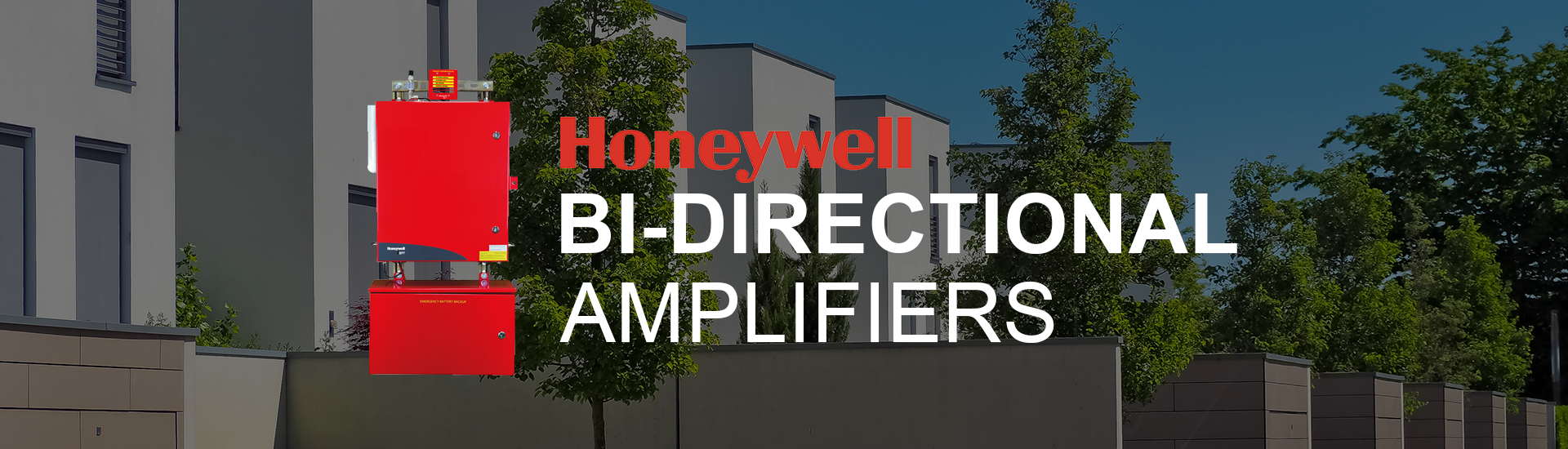
What a BDA System Actually Does
Modern buildings create a real problem for radio signals. Concrete, steel, insulated glass, underground parking, stairwells, mechanical rooms — all of these absorb and block the frequencies that first responders use. A BDA system, sometimes called an emergency responder communication enhancement system (ERCES), solves that by pulling in the public safety signal from outside, amplifying it, and distributing it throughout the building through a network of antennas and coax cable.
Without a properly functioning BDA, a firefighter in a stairwell or a security officer in a basement may not be able to reach dispatch. Local fire codes in Georgia and South Carolina, along with IFC standards, have made these systems mandatory in a growing number of commercial and large residential properties. If your building meets the thresholds, you don’t have a choice, and that’s actually a good thing from a life-safety standpoint.
What BDA Testing Involves
Testing isn’t simply plugging in a radio and checking for a signal. A qualified technician needs to walk the building and verify signal coverage across the required public safety frequencies, typically in every area of the structure including stairwells, elevator shafts, and below-grade spaces. The work includes both a signal survey and a functional test of all amplifier components, backup power, and monitoring connections.
Documentation matters just as much as the test itself. Your authority having jurisdiction (AHJ), usually the local fire marshal, will want to see a detailed report showing coverage results, system components, and the technician’s credentials. In Georgia, that means working with a licensed contractor. We carry Georgia license GA #LA205071 and South Carolina licenses SC #FAC3100 and SC #BAC5028, so the paperwork is clean and straightforward on our end.
Annual testing is the typical requirement, though some jurisdictions call for more frequent checks. It’s worth confirming the schedule with your local AHJ, and we’re happy to help you figure that out if you’re unsure.
Common Reasons Properties Fail BDA Inspections
Most failures come down to a handful of issues that are entirely preventable with the right preparation.
- Inadequate signal coverage in areas that weren’t part of the original system design, often due to renovations or additions.
- Battery backup failure, since many jurisdictions require the system to run on backup power for a minimum number of hours.
- Outdated frequency programming, particularly in areas where the local public safety system has been upgraded or rebanded.
- Missing or incomplete documentation from the last inspection cycle.
- Unlicensed or unqualified technicians performing the work, which some AHJs will reject outright.
We’ve seen all of these come up in the field, from large industrial facilities in Savannah and Pooler to multi-family complexes in Hinesville and communities in Pembroke and Springfield. The inspection process is consistent, but the specific building challenges vary quite a bit, and experience with the local AHJs makes a real difference.
When to Schedule Your BDA Testing
September is actually a smart time to get this on the calendar. End-of-year inspections and certificate renewals tend to pile up in the fourth quarter, and scheduling earlier gives you a buffer if anything needs to be repaired or upgraded before re-test. We offer same-day service most days and provide 24/7/365 support, so we can work around your building’s operational schedule. If an after-hours question comes up, our owners personally handle those calls, which matters when you’re trying to move quickly before a deadline.
Coastal Empire Fire and Security has been doing this work since 1998. We serve commercial, industrial, military, healthcare, and multi-family clients across Georgia, South Carolina, and surrounding states, and national companies regularly contract our coverage and monitoring services when they need a reliable regional partner. That track record means we know what inspectors are looking for and how to make sure your system meets the standard on the first visit.
If you have a BDA inspection coming up, or you’re not sure whether your building requires a BDA system at all, please give us a call or drop us an email. We’re glad to answer your questions and help you get ahead of any issues before they become a problem on inspection day.